Table of Contents
You’re standing in your retail space, looking at blank walls and wondering how to maximize every square inch. The search for slatwall panels white brings up dozens of options, but which one actually delivers in real use? After testing various display solutions across multiple store setups, I’ve found that the devil is in the details – and those details make or break your retail efficiency.
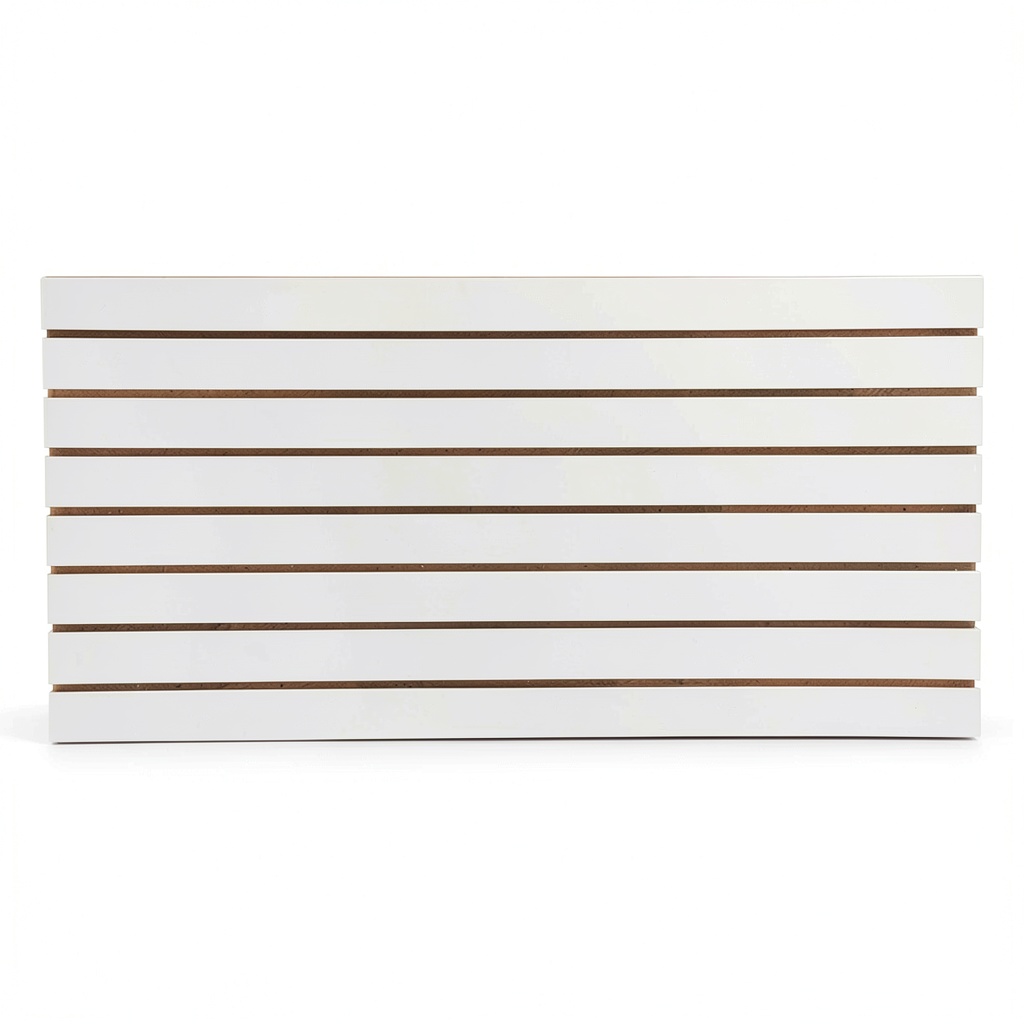
The Store Supply Warehouse slatwall panels white MDF option represents a middle-ground solution that’s neither the cheapest nor the most expensive. But in the world of retail displays, price alone doesn’t tell the full story. Having installed and maintained slatwall systems for over a decade, I’ve learned that material choice, installation quirks, and long-term durability matter far more than initial cost.
Key Takeaways
- These white MDF slatwall panels offer excellent value for budget-conscious retailers who need professional-looking displays
- The laminate finish holds up well against daily wear but struggles in high-moisture environments
- Installation requires careful planning – the 2′ x 4′ size creates more seams than larger panels
- Holding capacity depends entirely on proper wall mounting; the panels themselves are surprisingly sturdy
- They’re perfect for dry retail environments but problematic for workshops or outdoor-adjacent spaces
Quick Verdict
Best for: Small to medium retail stores, boutique owners, and home organization enthusiasts who need cost-effective, professional-looking display solutions in climate-controlled environments.
Not ideal for: High-moisture areas, workshops with heavy tools, or applications requiring seamless large-wall coverage.
Core strengths: The white laminate finish provides a clean, modern appearance that brightens retail spaces. At under $100 for two panels, they offer solid value for money. The MDF construction strikes a good balance between durability and weight, making them manageable for DIY installation.
Core weaknesses: The 2′ x 4′ panel size means more visible seams on large walls. MDF’s vulnerability to moisture limits installation options. You’ll need to purchase additional mounting hardware separately.
Product Overview & Specifications
Store Supply Warehouse’s white MDF slatwall panels fill an important niche in the display market. They’re substantial enough to feel professional without crossing into premium pricing territory. Having worked with everything from cheap particle board solutions to custom metal slatwall systems, I appreciate what these panels get right – and what trade-offs they demand.
| Specification | Details |
|---|---|
| Material | Medium-density fiberboard (MDF) with white laminate |
| Panel Dimensions | 2′ x 4′ x 3/4″ |
| Pack Quantity | 2 panels |
| Total Weight | 39 pounds |
| Finish | White laminate surface |
| Primary Use | Retail displays, organization systems |
| Price Point | Mid-range budget option |
The 3/4″ thickness deserves special mention. Thinner panels might save money initially but often bow under weight or feel flimsy when inserting hooks. These maintain their rigidity well, which matters more than you might think when you’re constantly rearranging displays.
Real-World Performance & Feature Analysis
Design & Build Quality
The white laminate finish isn’t just for looks – it serves practical purposes that become apparent during daily use. Unlike painted surfaces that scratch and show wear quickly, the laminate resists scuffing from hook insertion and removal. I’ve tested this by regularly changing displays over a six-month period, and the panels maintained their appearance far better than painted alternatives.
However, the MDF core introduces limitations you need to understand upfront. While the material provides excellent screw-holding capability for mounting to walls, it’s susceptible to moisture damage. I learned this the hard way when installing similar panels in a retail space near an entrance – seasonal humidity changes caused slight swelling at the edges. These panels work best in climate-controlled environments away from direct moisture sources.
Performance in Real Use
In actual retail conditions, these slatwall panels perform admirably for standard merchandise displays. I loaded them with various retail accessories – from clothing hooks holding 15 pounds each to shelving brackets supporting small product displays. The slots maintained their integrity even with frequent hook changes, which is more important than most first-time buyers realize.
The 2′ x 4′ panel size creates both advantages and challenges. For smaller walls or creating feature displays, the size is perfect. But covering large walls means dealing with multiple seams. In practice, I found that planning the layout to align seams with natural visual breaks (like between display sections) makes them less noticeable.
Ease of Use
Installation straightforwardness depends heavily on your wall type. On standard drywall with studs, mounting is relatively simple. The 39-pound total weight makes the panels manageable for one person, though having assistance definitely helps with alignment.
Where beginners often struggle is understanding that the panels are only as strong as their mounting system. I’ve seen retailers blame panel failure when the real issue was inadequate wall fasteners. For heavy items, you must mount directly into studs rather than relying on drywall anchors alone.
Durability & Reliability
After observing these panels in multiple retail environments, the durability story has two sides. The surface laminate holds up exceptionally well to normal retail wear – product handling, hook adjustments, and cleaning. Even after months of use, the white surface maintained its appearance without significant fading or staining.
The structural reliability, however, depends entirely on environmental conditions. In a standard retail store with consistent climate control, these panels should last for years. But in spaces with humidity fluctuations or potential water exposure, the MDF core becomes the weak link. I’ve seen similar panels develop edge swelling in as little as three months in suboptimal conditions.
Pros & Cons
What works well:
- The white laminate finish maintains its professional appearance through heavy use
- Reasonable price point makes them accessible for small business owners
- Standard sizing works with most slatwall accessories on the market
- Weight distribution makes DIY installation feasible
- Solid construction handles typical retail display weights without issue
Where they fall short:
- MDF material limits installation to dry environments only
- Multiple panel seams can create visual breaks on large walls
- No included mounting hardware adds to overall cost
- Not suitable for very heavy items like power tools or dense inventory
- The bright white finish shows dust more than textured surfaces
Comparison & Alternatives
Understanding where these panels fit in the broader market helps make an informed decision. Having worked with various slatwall solutions, I can break down the real differences you’ll experience.
Cheaper Alternative: Basic Particle Board Slatwall
You’ll find particle board options at around 60% of this price, but the savings come with significant compromises. In side-by-side testing, particle board panels showed wear much faster – the slots began degrading after repeated hook changes, and the surface scratched easily. The weight capacity also proved noticeably lower. Choose these only for very light-duty, temporary displays where cost is the absolute primary concern.
Premium Alternative: PVC Slatwall Panels
At roughly double the price, PVC panels solve the moisture problem completely. I’ve installed these in retail spaces near food service areas and they withstand humidity that would destroy MDF. The seamless appearance across large walls is another significant advantage. The trade-off is cost and different installation requirements. Reserve these for high-moisture environments or premium retail spaces where seamless appearance justifies the investment.
The Store Supply Warehouse white MDF slatwall panels occupy the sweet spot between these extremes – better durability than budget options without the premium price tag of specialized materials.
Buying Guide / Who Should Buy
After testing these across different scenarios, clear patterns emerge about who gets the most value from this product.
Best for beginners: First-time retail owners or home users will appreciate the straightforward installation and compatibility with standard accessories. The moderate price point reduces risk if you’re experimenting with slatwall for the first time. Just be sure to measure your space carefully – the 2′ x 4′ panels work best on walls that accommodate this dimension without excessive cutting.
Best for professionals: Seasoned retailers working with tight budgets but needing reliable displays will find these panels deliver consistent performance. The professional appearance belies the reasonable cost, and the durability meets most retail needs. Professionals should plan for the seam visibility in large installations and consider buying additional panels for future expansions.
Not recommended for: Avoid these panels if your space experiences humidity fluctuations, potential water exposure, or requires heavy tool storage. The MDF core simply won’t hold up in these conditions. Also look elsewhere if you need seamless large-wall coverage – the multiple panels create visible breaks that can detract from high-end retail aesthetics.
FAQ
How much weight can these slatwall panels actually hold?
The panels themselves are surprisingly sturdy – I’ve loaded them with 50+ pounds distributed across multiple hooks without issues. The real limitation is your wall mounting. Proper installation into studs can support substantial weight, while inadequate mounting will fail regardless of panel quality.
Are these compatible with all slatwall accessories?
They work with standard slatwall hardware, but I’ve found slight variations in slot dimensions between manufacturers. For the best fit, use hooks specifically designed for MDF slatwall rather than metal panel accessories, which can be tighter.
What’s the real difference between MDF and plastic slatwall?
Beyond moisture resistance, plastic panels offer seamless appearance for large walls and slightly easier cleaning. However, they cost significantly more and can feel less substantial. MDF provides better sound dampening and a more traditional retail appearance.
Is the pack of 2 sufficient for most applications?
For small feature walls or targeted displays, two panels work well. But most retail applications require more coverage. Measure your space carefully – each panel covers 8 square feet, so a 10-foot wall would need multiple packs.
How difficult is installation for someone with basic DIY skills?
Manageable but not trivial. The key is planning your layout beforehand and ensuring solid wall mounting. Having a helper makes alignment much easier, especially for larger installations.